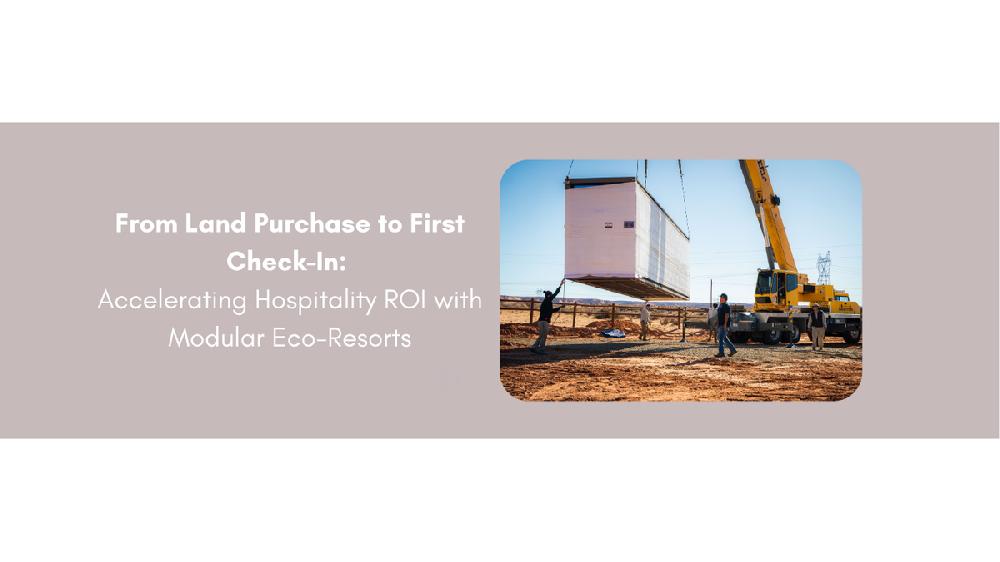
In the luxury hospitality sector, time isn’t just money—it is the ultimate metric of opportunity cost. For developers launching boutique eco-resorts , the traditional construction timeline is a gauntlet of delays, weather disruptions, and compounding loan interest. Every month your site is a construction zone is a month of missed bookings and zero revenue. But a shift is happening. By leveraging advanced modular hotel construction , v...
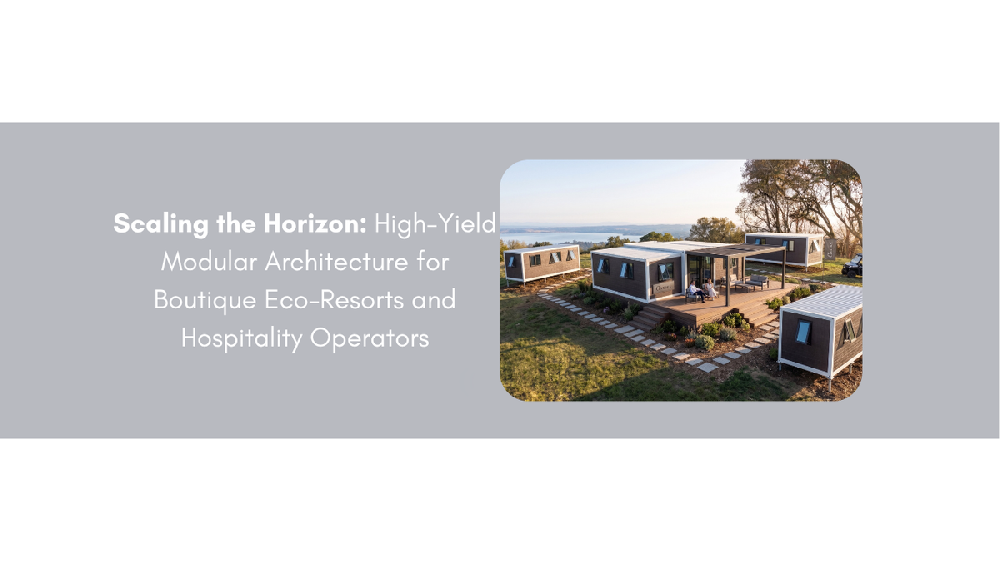
The landscape of luxury travel has fundamentally shifted. Today’s high-net-worth travelers are bypassing traditional gilded hotel lobbies in favor of remote, immersive, and ecologically conscious experiences. They want to wake up overlooking a misty vineyard, perched on a cliffside, or nestled deep within a pristine forest—without sacrificing five-star comfort. For hospitality developers, vineyard owners, and glamping operators, this ...
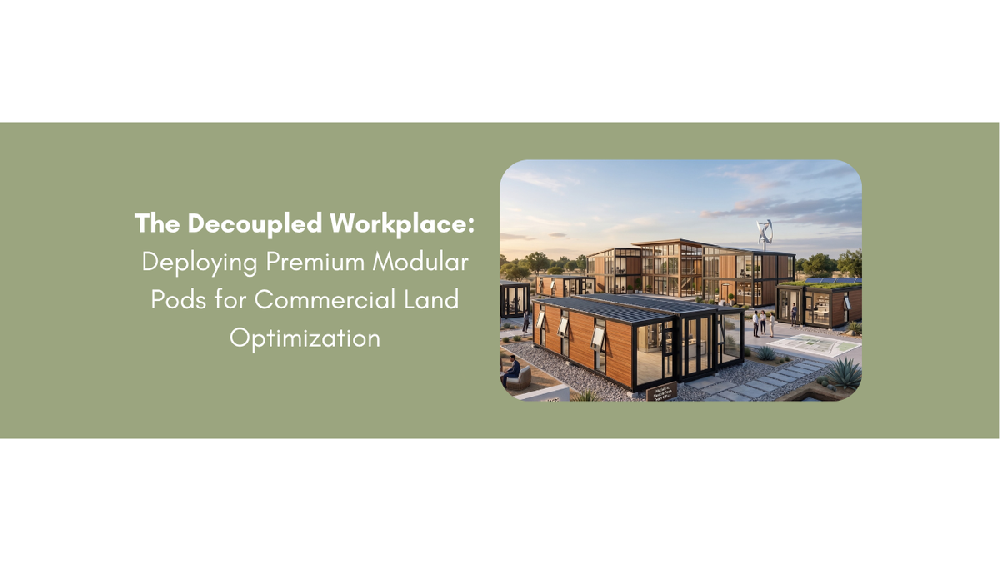
The traditional corporate real estate playbook is officially outdated. Today, enterprise business owners, co-working operators, and commercial landlords face a shared challenge: urban footprints are shifting toward decentralized, high-flexibility structures, leaving existing land assets underutilized. Whether it is an empty courtyard in a suburban corporate park, a vacant parcel in a mixed-use development, or a spacious residential esta...
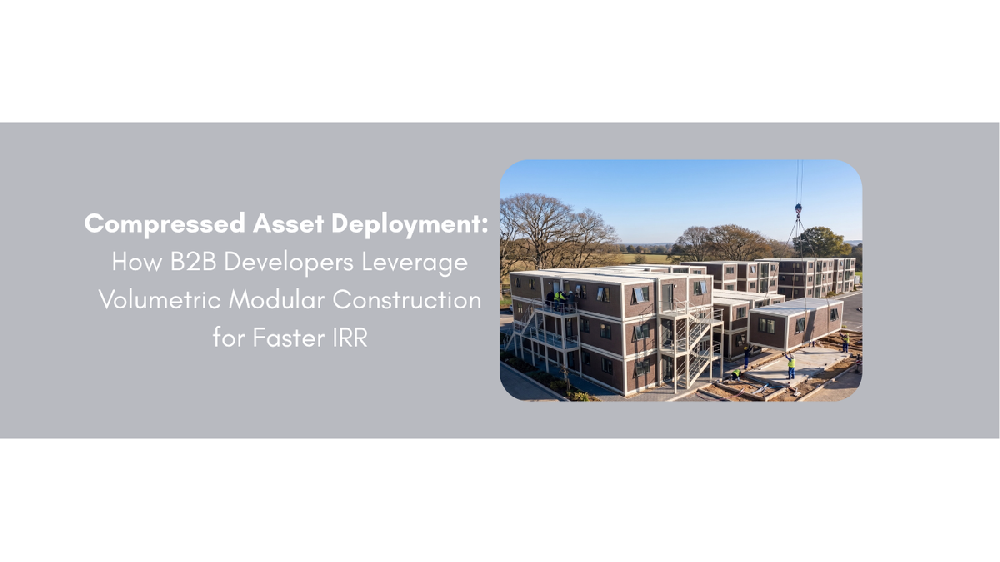
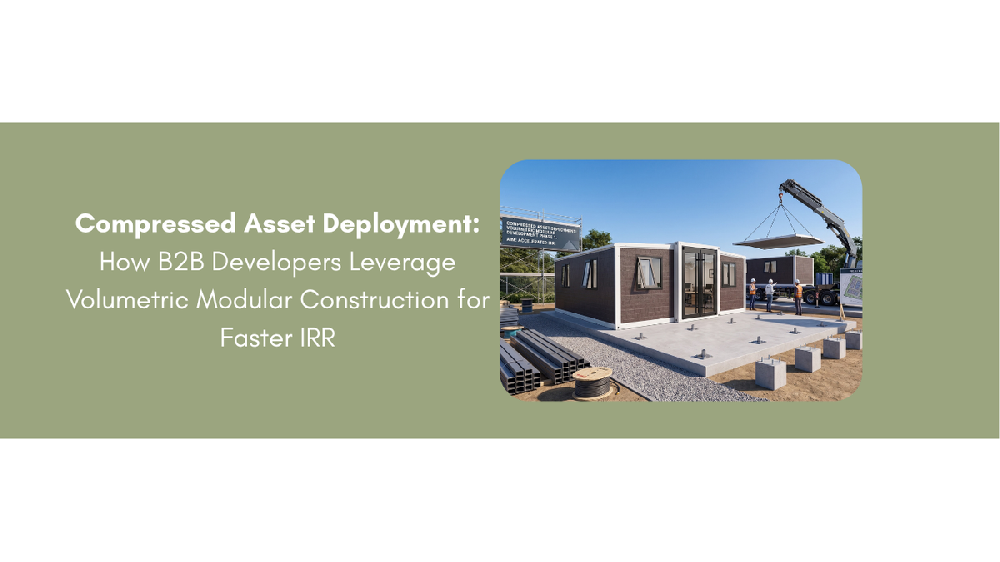
For decades, commercial real estate development has operated under a predictable, albeit painful, timeline: lengthy site preparation, followed by months—or years—of weather-delayed stick-built construction, culminating in a distant date for first lease-up. In a high-interest-rate environment, this traditional model is a financial liability. Capital tied up in unyielding dirt eats away at net present value (NPV) and drags down the Inte...
For general contractors, commercial architects, and asset risk managers, the traditional construction site is increasingly a liability zone. Unpredictable weather, labor shortages, and fluctuating material qualities introduce compounding risks to project timelines and asset durability. As a result, institutional capital is pivoting toward permanent modular structures to de-risk development. However, a lingering question often stalls pro...
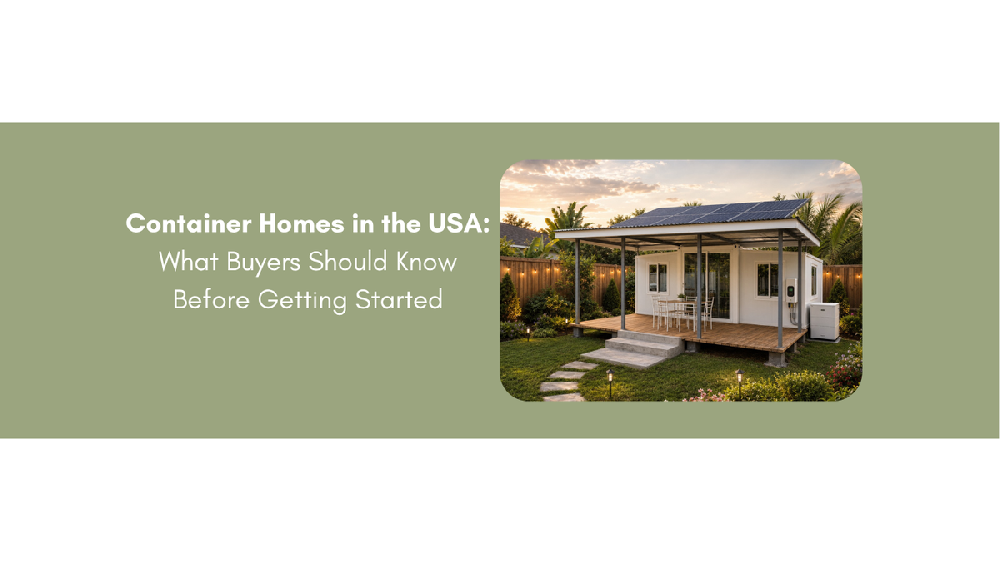
Interest in modern container homes has grown exponentially across the United States over recent years—and it’s easy to understand why. As traditional housing markets become increasingly volatile, more buyers are actively searching for alternative real estate options. Whether you are looking for compressed construction timelines, high-end modern modular flexibility, or specialized applications like passive income Airbnb investments, de...
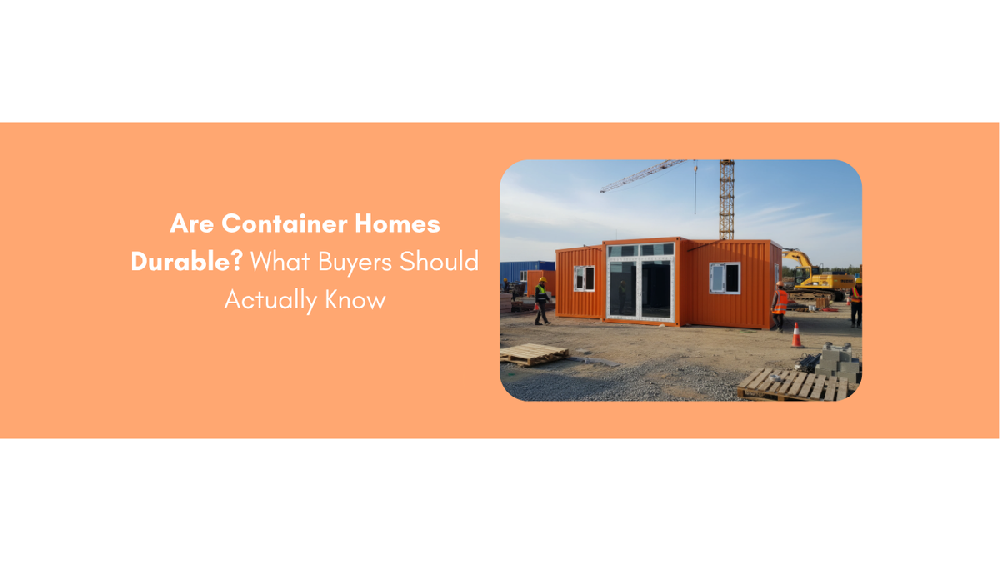
One of the most common questions people ask when first exploring alternative real estate and modular housing is also one of the most completely understandable: Are shipping container homes actually durable over the long term? It’s a completely fair and necessary concern. For many prospective property buyers, container-based architecture still feels like unfamiliar territory. When you are preparing to make a serious, long-term capital i...
One of the biggest questions buyers face after falling in love with the concept of modular steel architecture is simple: What does the interior layout actually look like? It’s a completely fair and necessary question. No matter how sleek or eco-friendly the external concept is, your ultimate real estate decision hinges entirely on interior spatial functionality. Does the space feel open and comfortable? Is there adequate room for stora...
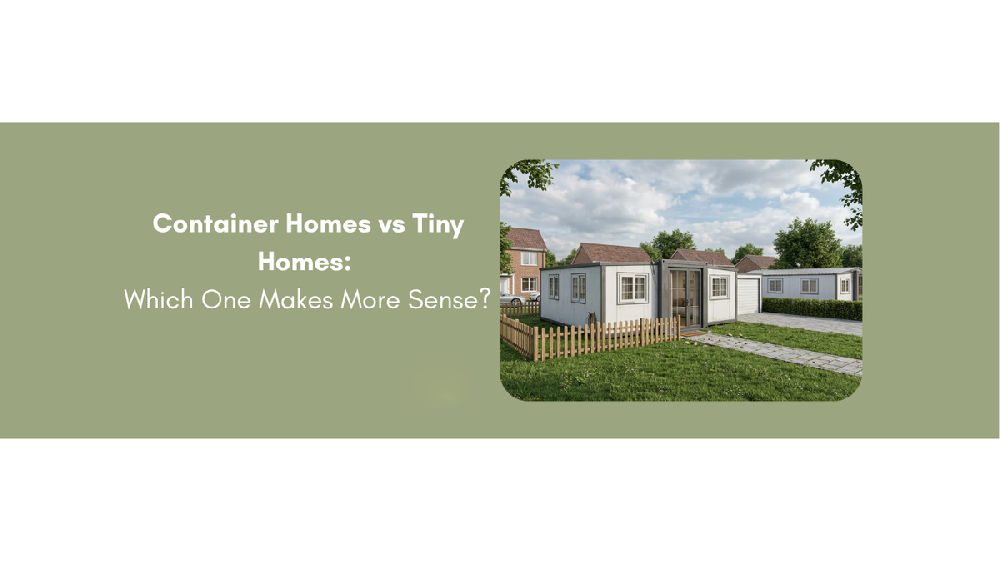
If you’ve spent any time exploring the alternative housing market or searching for sustainable, space-efficient real estate, chances are you’ve heavily cross-examined both container homes and tiny homes. At first glance, they appear to occupy the exact same niche. Both represent a progressive shift away from slow, over-budget conventional construction; both heavily appeal to buyers seeking lifestyle flexibility, minimalist simplicity,...
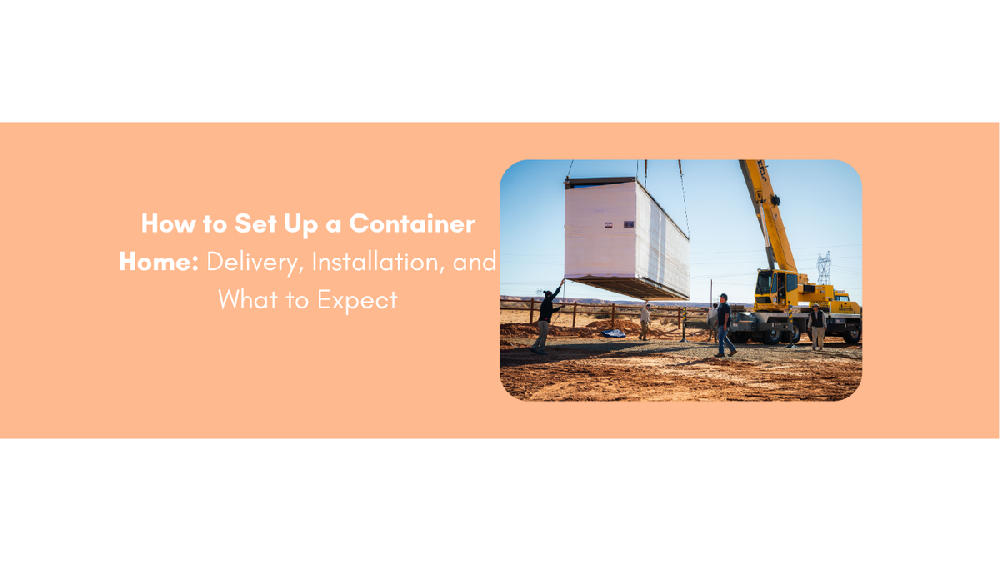
One of the most common questions buyers ask after choosing their ideal structural layout is simple: How does the on-site setup actually work? It’s a completely fair question. For many people, modular alternative housing is still unfamiliar territory. If you’ve never witnessed a prefabricated building delivered or installed, the overall logistics can feel a bit mysterious at first. The good news is that a professional container home in...
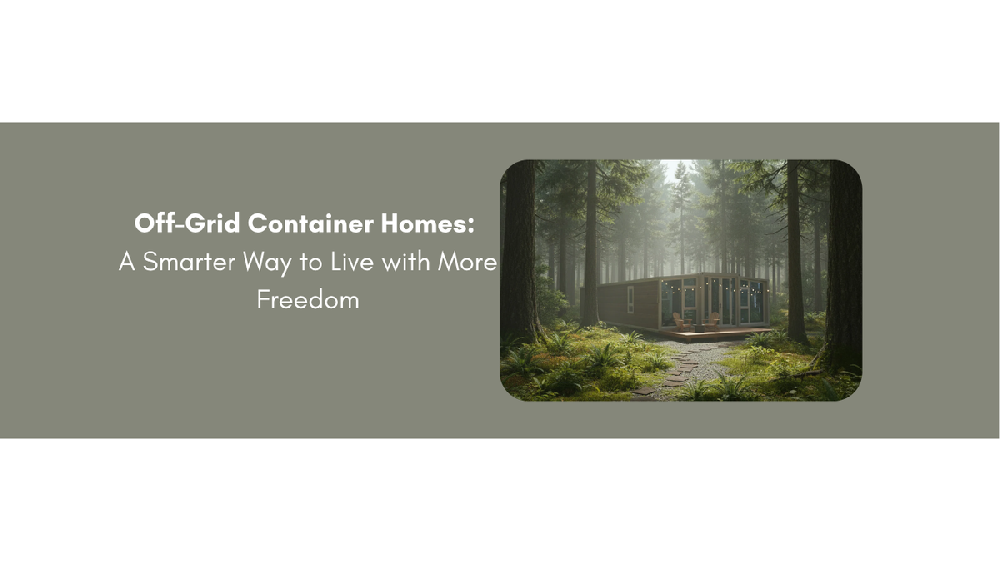
For a growing number of homeowners and real estate investors, the appeal of off-grid living isn’t about disconnecting from society completely—it’s about regaining complete control. This means securing more control over where you choose to live, minimizing escalating utility dependencies, and embracing a sustainable lifestyle rooted in privacy, autonomy, and long-term flexibility. That is exactly why investing in off-grid container ho...
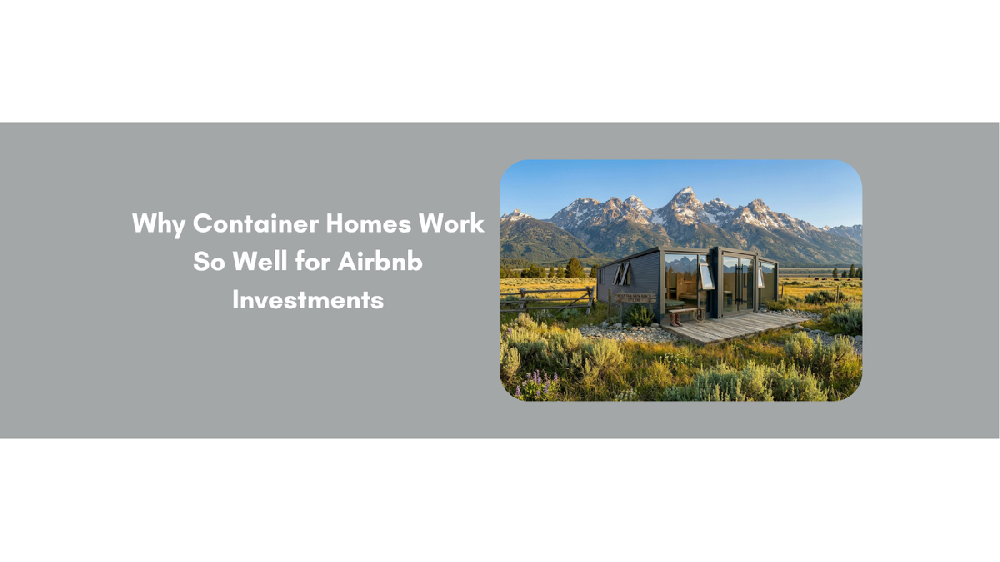
If you’ve spent any time browsing short-term rental platforms lately, one trend becomes obvious pretty quickly: unique spaces get attention. From cozy cabins and treehouses to desert domes and modern A-frames, guests are no longer just booking a plain place to sleep—they are booking a memorable travel experience. That is exactly why investing in container homes for Airbnb has become one of the most lucrative alternative real estate st...